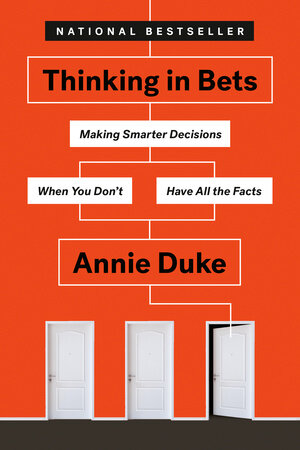
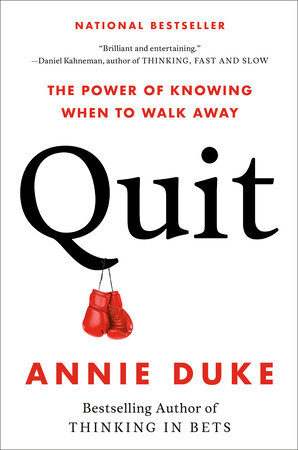
Annie Duke ouvre le premier cycle de lecture : comment évaluer une décision lorsque l’issue est incertaine, et comment reconnaître le moment où persister ne sert plus l’objectif.
2026 / 01—02
DEUX LIVRES. DEUX PROBLÈMES DE DÉCISION.
LECTURE EN COURS
ANNIE DUKE
Thinking in Bets
QUESTION CENTRALE DE LECTURE
Comment juger la qualité d’une décision sans confondre le processus et son résultat ?
ESPACE DE TRAVAIL TRUTHX
Questions de lecture ouvertes. L’hypothèse transversale avant lecture est documentée plus bas.
Une décision n’est pas seulement prise avec des informations incomplètes. Elle peut aussi être analysée à l’intérieur d’un périmètre qui exclut le facteur déterminant.
01
Dans un cas pilote privé, une incohérence persistante a conduit à élargir l’enquête au-delà du corpus initialement visible. La découverte d’un facteur économique extérieur a permis de reformuler la chaîne causale et de relire différemment l’enchaînement des événements. Cette découverte n’a pas, à elle seule, démontré la causalité : elle a rendu possible une hypothèse explicative plus complète et vérifiable.
QUESTION DE RECHERCHE
Comment un système peut-il détecter qu’un corpus est causalement insuffisant, sans inventer la pièce manquante ?
Un signal humain — intuition, anomalie perçue, contradiction ou opportunité extérieure — peut déclencher l’enquête. Il ne devient jamais une preuve.
02
PERSPECTIVE TRUTHX · HYPOTHÈSE DE TRAVAIL
La plupart des systèmes d’aide à la décision raisonnent à partir des informations disponibles. TruthX ajoute une question préalable :
Le périmètre factuel visible suffit-il réellement à expliquer ce qui s’est produit ?
Lorsqu’une chronologie, un flux économique ou un enchaînement de décisions demeure incohérent, TruthX ne doit pas combler artificiellement le vide. Il doit pouvoir le qualifier comme un écart causal non résolu.
LA CONTRIBUTION VISÉE DE TRUTHX
Distinguer le signal initial, le fait vérifié, l’hypothèse et le mécanisme causal proposé.
Conserver les hypothèses concurrentes.
Identifier les acteurs, périodes, entités, flux ou sources situés hors du périmètre initial.
Rechercher des éléments susceptibles de confirmer ou de réfuter chaque hypothèse.
Documenter la provenance et le niveau de confiance de chaque élément.
Produire un plan d’investigation traçable.
TruthX ne prétend pas deviner une vérité cachée. Il rend visible ce que le corpus disponible ne permet pas encore d’affirmer et transforme ce manque en recherche structurée.
SORTIE RPO
Le RPO peut alors exposer distinctement ce qui est établi, ce qui est contesté, ce qui est inféré, ce qui reste inexpliqué et ce qui doit encore être recherché.
Le signal ouvre l’hypothèse. L’enquête cherche le fait. La preuve détermine ce qui peut être affirmé.
CADRE SCIENTIFIQUE
Ce cadre réunit quatre mécanismes : raisonnement abductif contrôlé, hypothèses réfutables, analyse du périmètre informationnel et traçabilité. La littérature montre également que le résultat peut influencer abusivement l’évaluation d’une décision, que la fiabilité de l’intuition dépend de conditions précises d’apprentissage et de prévisibilité, et que des données manquantes peuvent fausser une reconstruction causale.